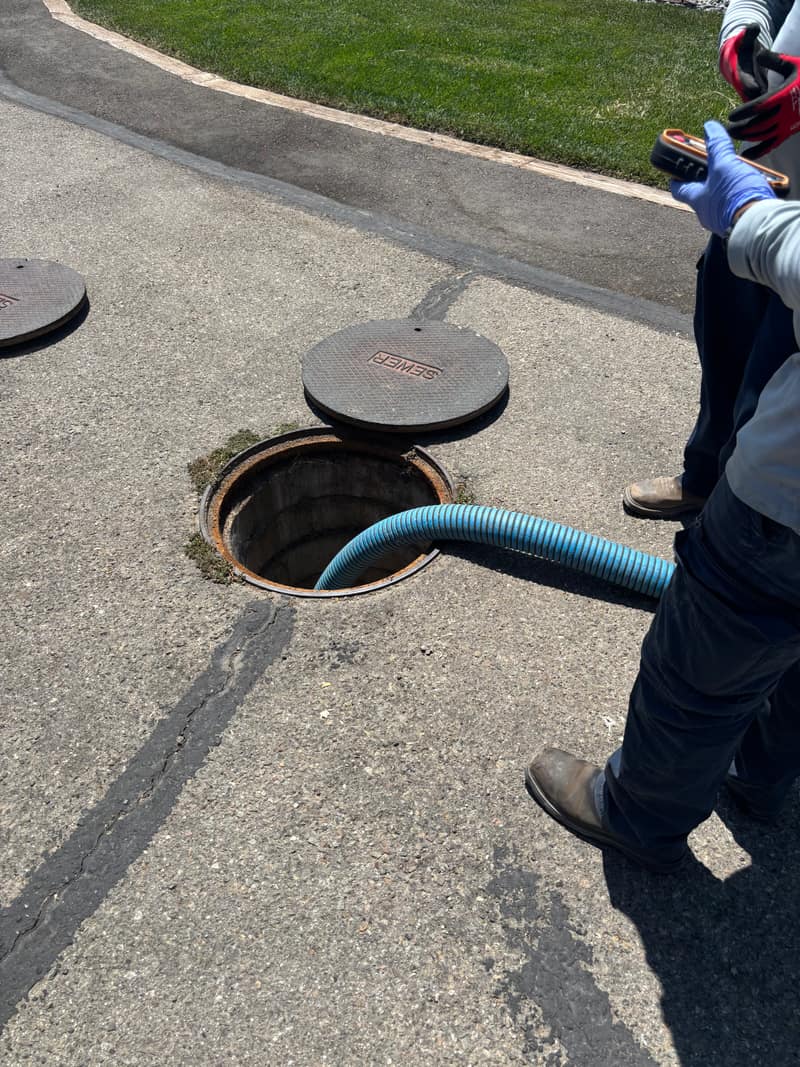
Septic Tank Pumping
A full pump-out of the whole tank, priced by the gallon, with a look at the baffles and levels while the lid is open.
Services
Routine pumping is the key to a healthy septic system. Sludge builds up no matter what, but regular service keeps it at a level your system can handle.
Every service below comes with the same basics: prices and terms in writing before we arrive, two-hour arrival windows, clean trucks, and a crew that explains what it finds.
A full pump-out of the whole tank, priced by the gallon, with a look at the baffles and levels while the lid is open.
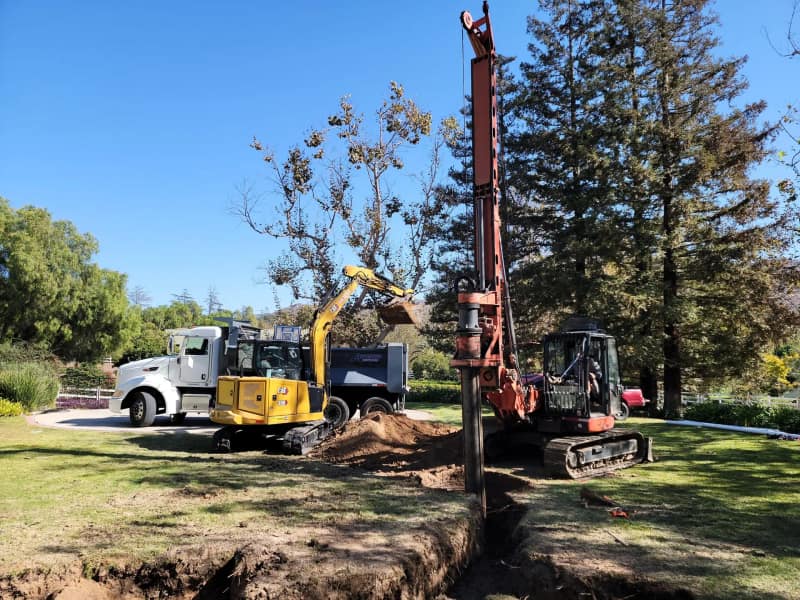
New and replacement systems built to the engineer’s design, from excavation through final grading.
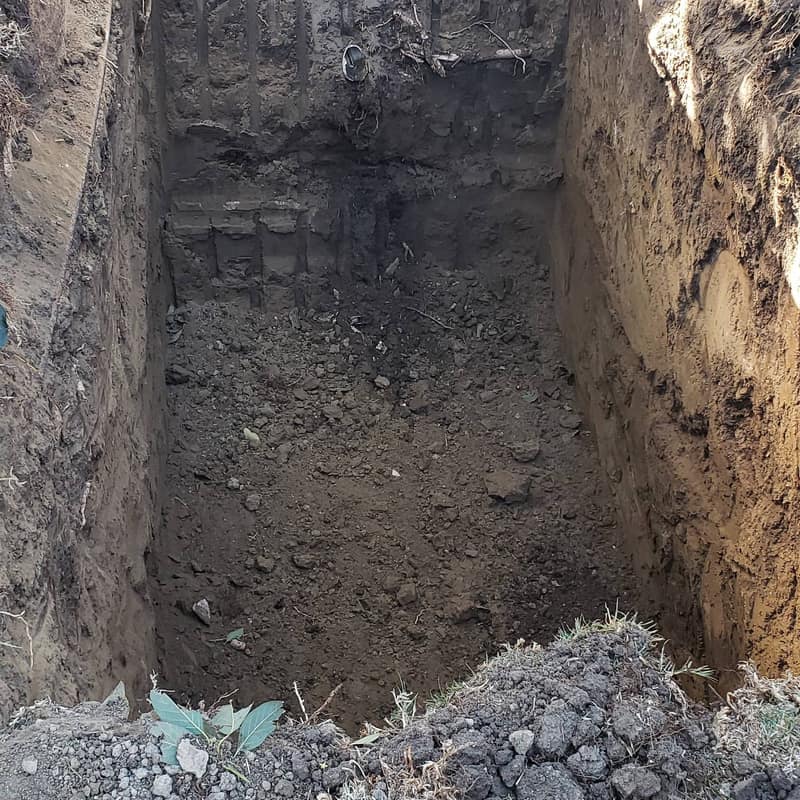
Broken baffles, failed lines and leach fields that stopped draining, diagnosed before anything is dug up.
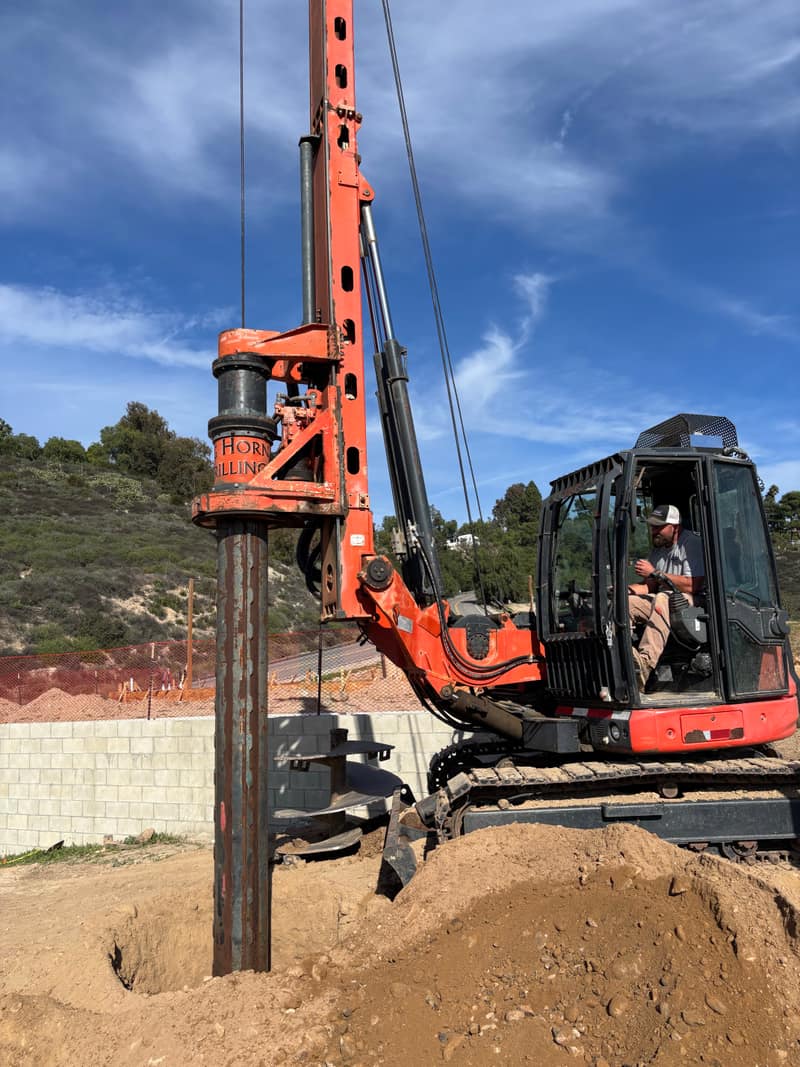
Seepage pit cleaning and treatment, and new pits drilled with the rig that suits your site.
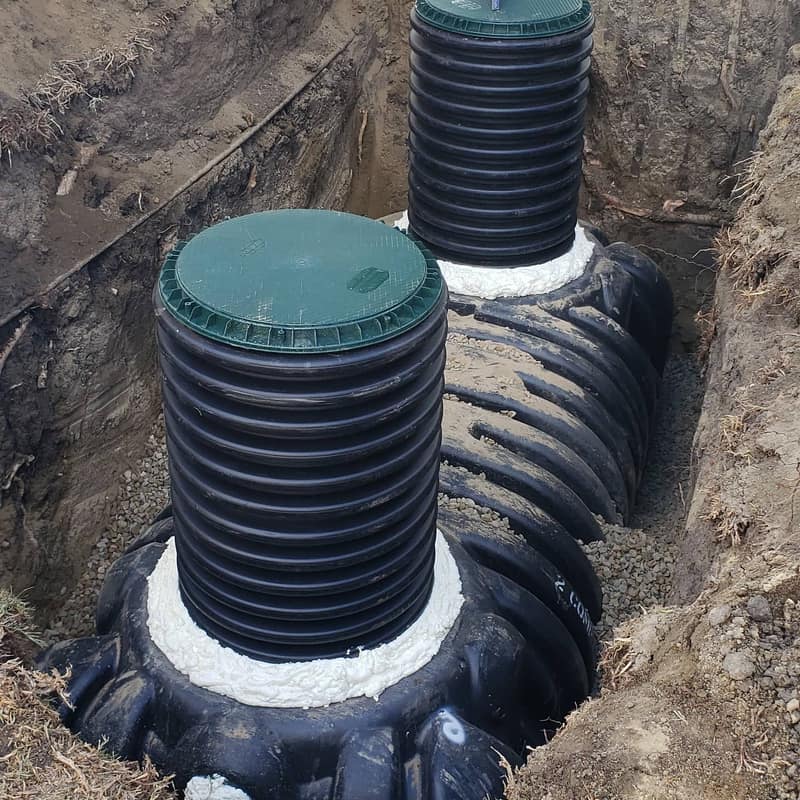
Bring buried lids up to ground level so every future pumping and inspection starts without a shovel.
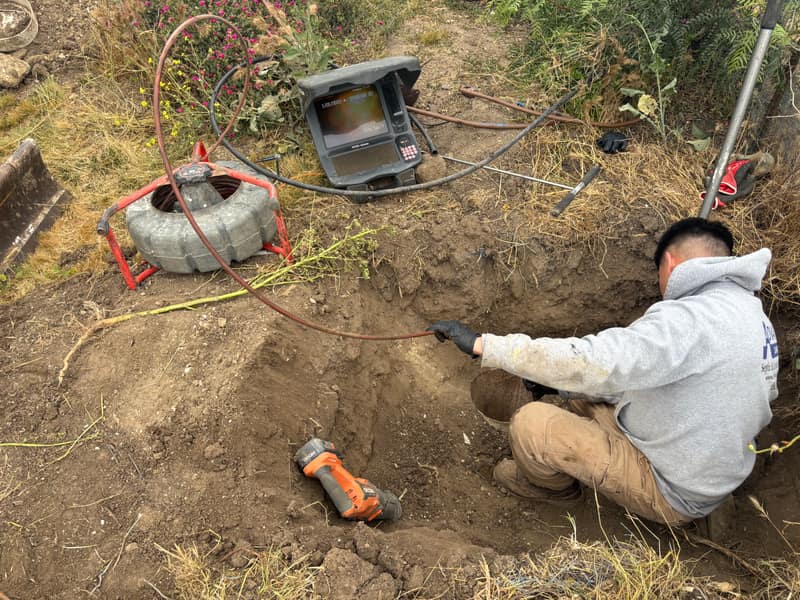
Tank location by probe, records or electronic locator, and camera inspections of the lines.
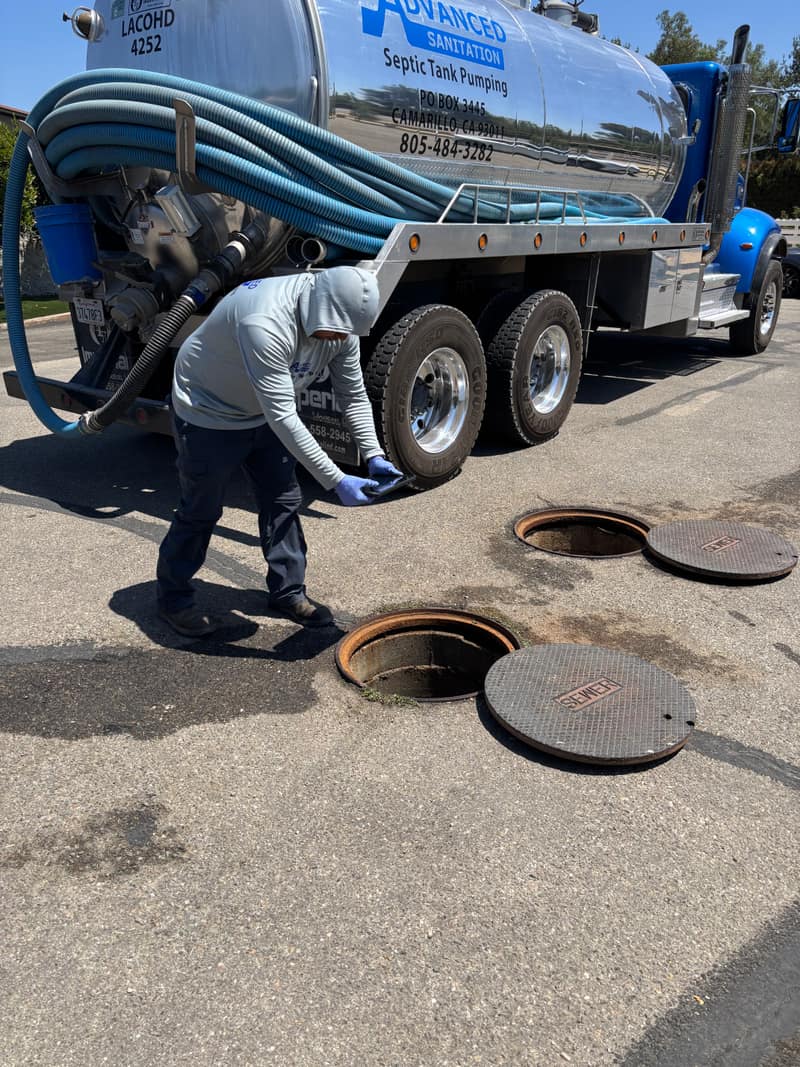
Septic inspections scheduled around escrow, with written results for buyers, sellers and agents.
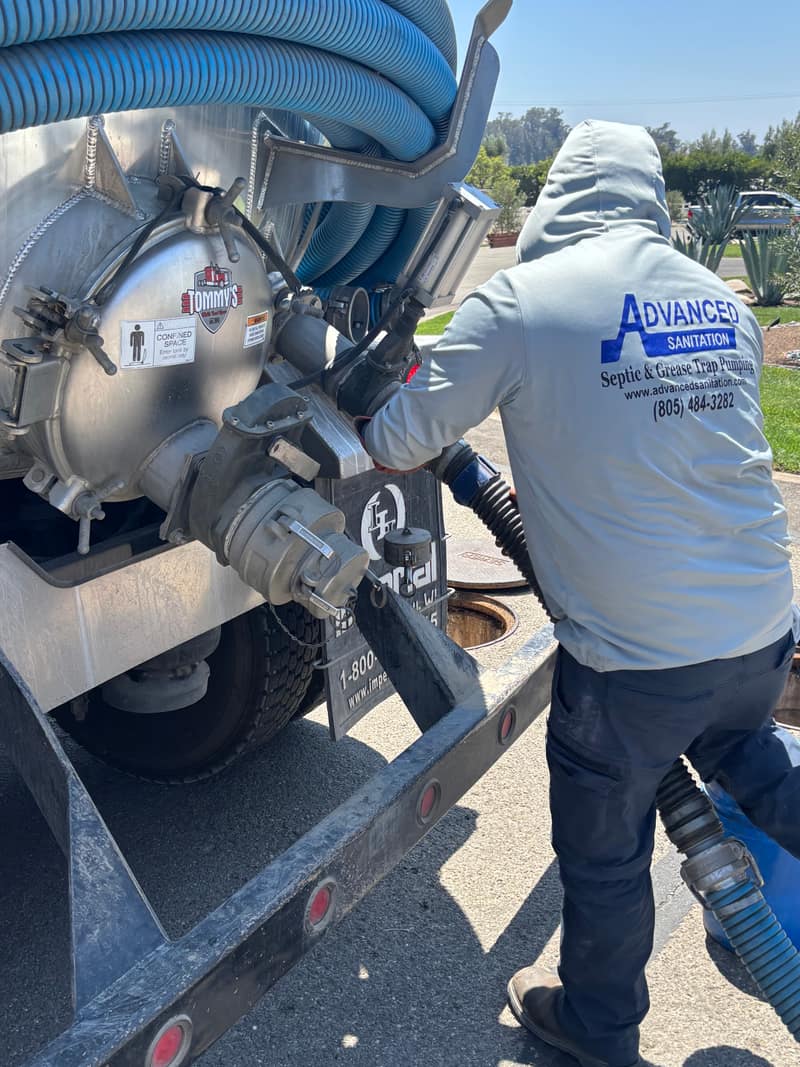
Scheduled grease trap pumping for restaurants and commercial kitchens, planned around your hours.
Your tank needs to be cleaned out on a regular basis to keep a healthy liquid balance. Regular service also turns up problems hiding under the surface, because our pumping technicians are trained to spot warning signs a homeowner would not see.
Our fleet runs from smaller pump trucks to 6,300-gallon tractor and truck combos, so we can take small jobs and big ones on your schedule. More about pumping.
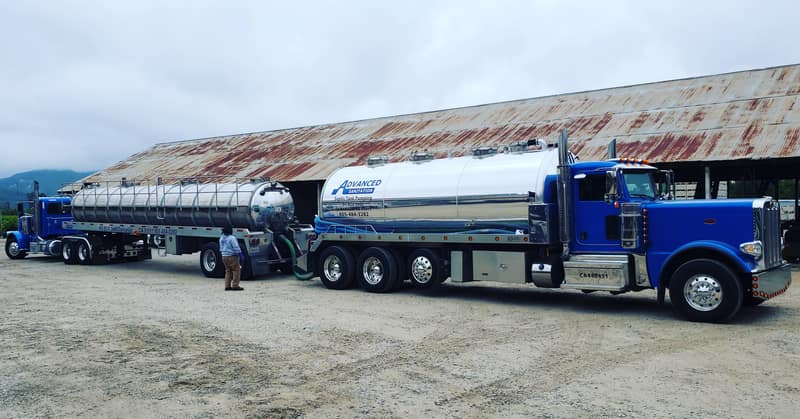
Keeping a septic system healthy can be simple if you follow a plan. How often your tank needs service depends on the age of the system, how many people live in the home, whether you use a garbage disposal and how much laundry gets done. Every system is different, and what suits your neighbor may not suit you. Most homes do well on a two-to-three-year cycle; talk to your technician or call us to set the right interval for yours.
A septic tank depends on bacteria to break down the organic solids. Antibacterial soaps, detergents and cleaners do a good job killing germs in the house, but they also kill the helpful bacteria your tank needs. Ask us whether a bacterial additive makes sense for your household; regular pumping matters more than any additive.
We help you through installing a new septic system or replacing an old one. We work with registered geological engineers who perform the soil and percolation testing and design the system. We estimate from their recommendations and install it. About installations.
We drill new seepage pits and pick the equipment for where the pit goes: a low drill for areas with power lines, a tracked excavator for hillside drilling, a truck-mounted drill for front yards. We also install new leach fields, which generally need a large area of flat ground. Seepage pits and septic repair and leach fields have their own pages.
Our technicians locate the tank and lines by probing the likely area and checking maps and records, and with an electronic locator when those do not turn it up. In the rare case that reaching a lid takes heavy equipment, we take special care to protect your home and site. We inspect lines with a Ridgid SeeSnake camera that records the depth and location of any problem. About location and inspections.
Like leach lines, seepage pits can clog as scum and waste particles build up in the perforated pipe, and a cesspool collects them at the bottom. We locate the pit, get access to the perforated pipe, pump out as much sludge as we can and clean it as thoroughly as possible, then treat it to break down the remaining waste and help water pass through the holes and into the rock. If the soil around it is oversaturated, the only real fix is a new seepage pit.
Schedule your septic services today
Pumping, inspections, installation and repairs, all from one septic company in Somis.