Real estate agents
Book through the office with the property address, the escrow timeline and who should get the results. We schedule around your contingency dates and keep you in the loop on access.
Buying or selling a home
For buyers, sellers and the agents working with them: a thorough look at the septic system, scheduled around escrow, with results in writing.
A septic system is one of the most expensive parts of a rural home to repair, and it is buried where nobody can see it at a showing. An inspection before the sale tells everyone at the table what they are working with.
We open and pump the tank, check the baffles, walls, lids and levels, look at the drain lines and the leach field or seepage pits, and run a camera where the lines need a closer look. You get a written result that meets county requirements and makes sense to people who have never owned a septic system.
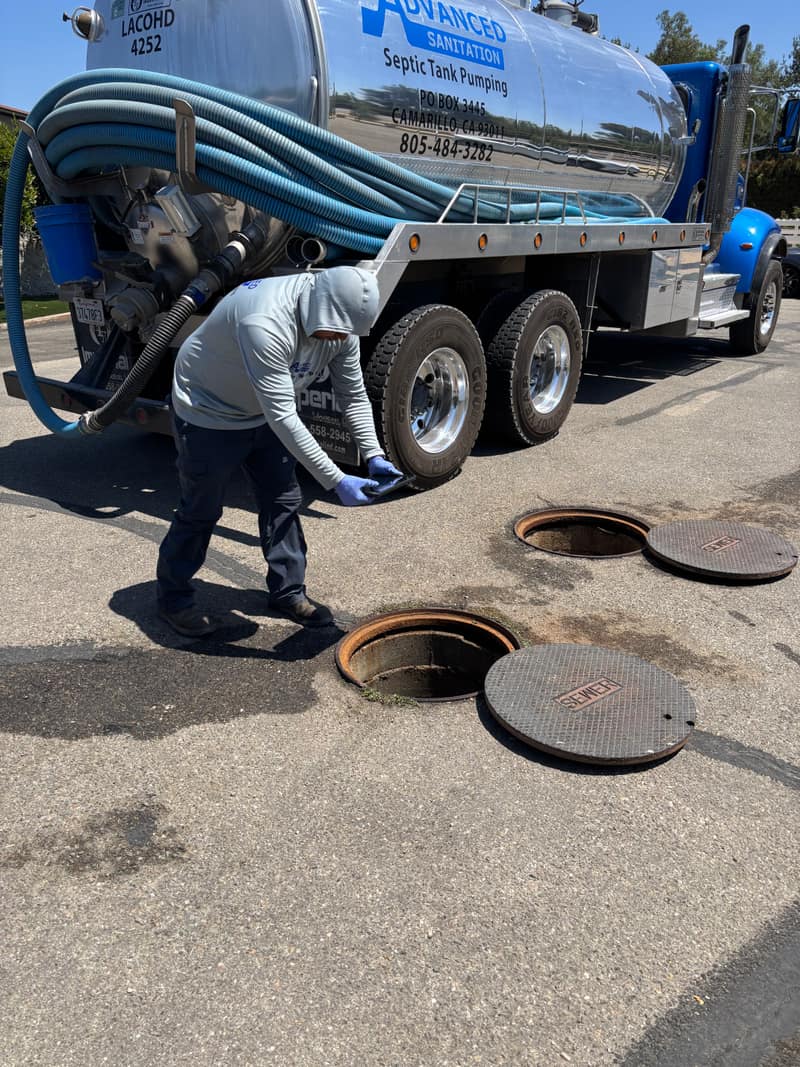
Book through the office with the property address, the escrow timeline and who should get the results. We schedule around your contingency dates and keep you in the loop on access.
Inspecting before you list gives you time to handle a repair on your schedule, and a clean result is something your agent can hand to buyers from day one.
An independent inspection tells you the condition of the system you are buying and what maintenance it will need. A camera run on the sewer line before you move in helps you avoid expensive repairs later.
Call (805) 484-3282 with the address, deadline and access details.
By riser, records, probing or electronic locator, then we uncover the lids.
The tank is checked before and after pumping so nothing is hidden by what is inside it.
A clear report for the buyer, the seller and the agents, and a quote if anything needs work.
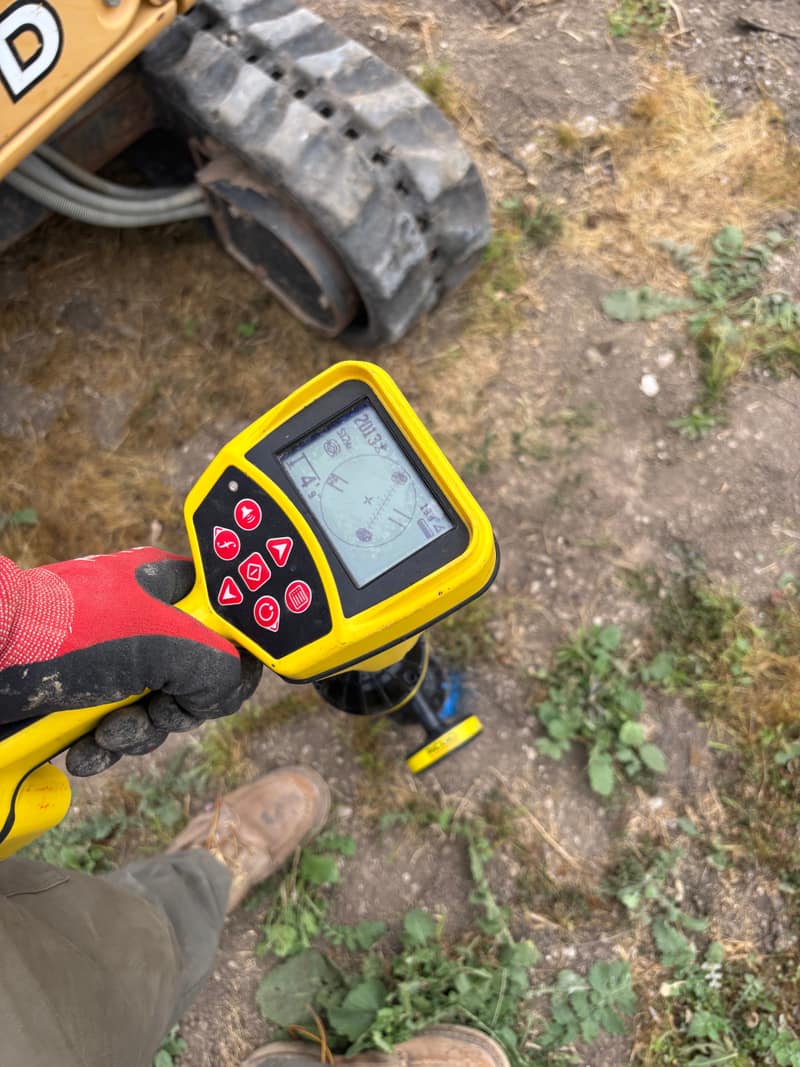
Besides property sales, we inspect for county requirements, such as septic pumping reports and CUP inspections, and for owners who simply want to know the state of their system. If our crew spots a problem while pumping, we let you know and can inspect it properly.
More about our tank location and camera inspections and risers.
Usually about two hours. It can run longer depending on how complex the system is, how easy it is to reach, and what we find.
Yes. A thorough inspection needs the tank seen before and after it is pumped, so the inspector can check the interior walls for staining, cracks, holes and other signs of deterioration.
If the tank has full-size risers, very little. Without risers we may need to dig two to three feet to expose the lids, which is a good moment to add risers before the new owners move in.
An inspection reflects the system on the day it is performed. Use after that point can change things, so we cannot vouch for the result beyond that day. Plan the inspection close to when the buyer needs it.
Either can. Sellers who inspect before listing find problems while there is still time to fix them on their own terms. Buyers who order their own get an independent look at the system they are about to own.
In escrow?
Call the office with your address and deadline, and we will find a time that keeps the sale on track.